
Breast Augmentation Surgery

Breast augmentation is one of the most commonly requested cosmetic surgery procedures. It can restore volume, improve shape, and help with asymmetry, but it is still major surgery and should be approached carefully, with time to think things through and a clear understanding of recovery and longer-term implant issues.

Breast Augmentation

A consultation-led approach to implant surgery

Breast augmentation is an operation to increase breast volume and improve breast shape, most commonly using implants. People usually consider it because they have always felt their breasts are small for their frame, because volume has reduced after pregnancy or weight change, or because of noticeable asymmetry.

The starting point is not choosing an implant size. It is understanding what matters to you, assessing your anatomy carefully, and working out what is likely to look proportionate and feel right for your body. In some cases, an implant is the right solution. In others, where the main issue is droop rather than lack of volume, a breast uplift may be more appropriate.

The aim is a measured, natural-looking improvement rather than a one-size-fits-all result. No operation can create perfection or permanent symmetry, and good planning is as important as the operation itself.
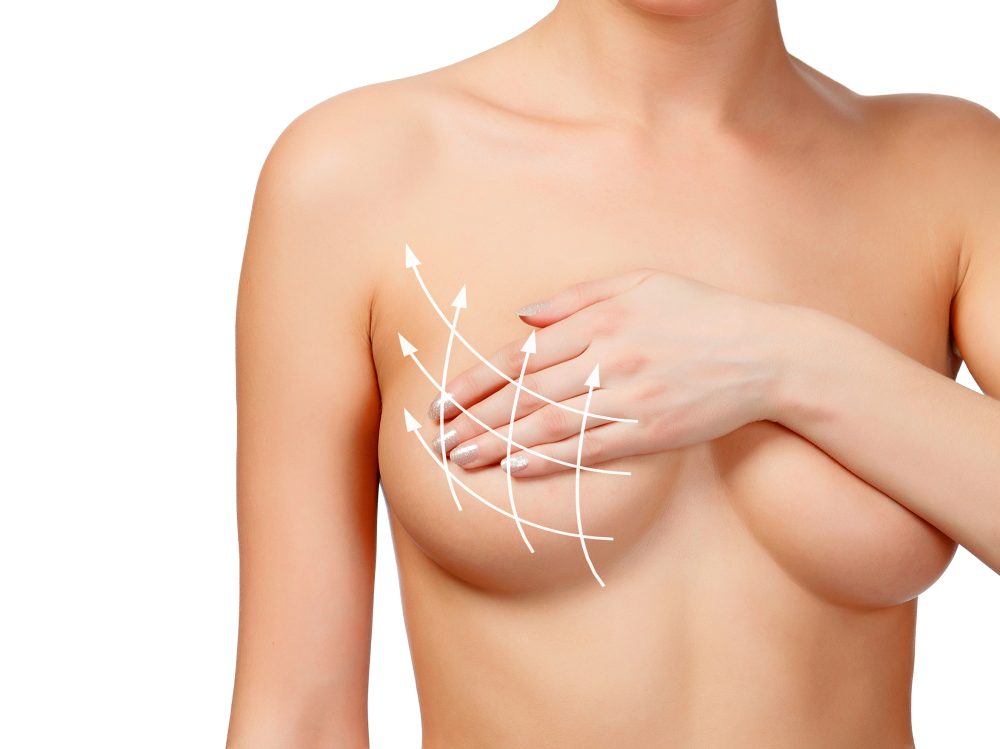

  • Implant-based surgery tailored to your build and goals
  • Clear discussion of size, shape and proportion
  • Honest advice if a lift may be more appropriate
  • Detailed aftercare and follow-up after surgery

At a glance

These are general guide points. Final details depend on the surgical plan discussed at consultation.

Anaesthetic
General Anaesthetic
Hospital Stay
Overnight stay
Procedure Length
Usually around 60 to 90 minutes
Support Bra
Worn continuously in the early recovery period
Return to Desk Work
Often around 1 to 2 weeks
Exercise
Usually restricted for around 6 weeks
Long-term
Implants are not lifetime devices

Is breast augmentation right for you?

A good consultation is not just about what can be done. It is also about whether it should be done, and whether the likely trade-offs feel acceptable to you.

Breast augmentation may suit women who would like more breast volume, improved upper pole fullness, or better balance between the breasts. It is often considered after pregnancy, breastfeeding, or weight loss, but many women seeking augmentation have simply felt for years that their breasts are out of proportion with the rest of their figure.

The consultation is the place to discuss size, implant profile, shape, tissue cover, and where the implant is likely to sit. It is also the place to discuss limitations. A very large implant may not suit your tissues. A subtle augmentation may look better and age better than a more aggressive plan. If your main concern is breast droop or nipple position, an uplift may need to be part of the discussion.

Just as importantly, you should feel able to take your time. There should be no pressure to make a quick decision.

What we look at in consultation

The decision is based on more than cup size.

Your goals

What change matters to you, and what you are hoping the surgery will achieve.

Your anatomy

Chest width, existing breast volume, skin quality, and breast position all affect what is realistic.

Implant planning

Size, profile and position need to suit your tissues rather than just a number in cc.

Scars and recovery

These need to feel acceptable before you decide to proceed.

Alternatives

In some cases a breast lift, fat grafting, or simply waiting, may be the better decision.

What the operation involves

Breast augmentation is usually carried out under general anaesthetic. An implant is placed through a planned incision and positioned according to your anatomy and the agreed surgical plan. Depending on your tissues and the look you are aiming for, the implant may sit beneath the breast tissue or partly beneath the chest muscle.

This is planned surgery, not “quick” surgery. Careful measurements, implant choice, and thoughtful positioning matter. The aim is to achieve an improvement that looks balanced and sits well on your frame, while keeping scars as discreet as possible.

You will discuss the likely scar position, implant type, and expected early recovery in detail before surgery.

Your breast augmentation journey

1

Initial consultation

We discuss your goals, assess your anatomy, and talk through what breast augmentation can and cannot realistically achieve.

2

Planning and reflection

You are given time to consider the information, ask further questions, and decide whether surgery feels right for you.

3

Surgery

The operation is carried out in a CQC inspected private hospital under general anaesthetic with an agreed aftercare plan in place.

4

Early recovery

You wear a supportive bra, avoid strenuous activity, and attend follow-up so healing can be monitored.

5

Longer-term follow-up

Once recovery settles, the focus moves to scar maturation, implant settling, and longer-term awareness that implants may need review or replacement in the future.

A careful decision, not a rushed one

Breast augmentation can be a very positive operation for the right patient, but it still deserves time and proper thought.

You should leave your consultation with a clearer understanding of likely benefits, scars, recovery, and longer-term implant issues, not just enthusiasm about size change. There is no obligation to proceed after consultation, and in many cases it is sensible to go away, reflect, and return with further questions if needed.

Frequently asked questions

Breast augmentation can improve fullness, but it does not reliably correct breast droop or significantly raise nipple position. If droop is the main concern, a breast uplift may be more appropriate, sometimes with or without an implant.

Breast implants do not last forever. Some patients may go many years without a problem, but others will need revision or replacement sooner. Long-term follow-up and awareness of change are important.

Risks include bleeding, infection, scarring, altered nipple or breast sensation, implant movement, capsular contracture, rupture, and the possibility of future revision surgery. There is also an association between breast implants and the rare condition BIA-ALCL.

Most patients experience tightness, swelling, and discomfort in the early days after surgery. This usually settles steadily, but recovery varies and upper body activity needs to be limited for a period after surgery.

Desk-based work is often possible after around one to two weeks, while heavier exercise usually needs to wait longer. Exact advice depends on the operation and your recovery.

The MHRA launched a Cosmetic Breast Augmentation Risk Awareness Tool in August 2025 as an aid to informed discussion, and it is a sensible resource to use alongside your normal consultation and written information.

Related procedures

Some patients considering augmentation also need information about breast uplift or implant revision surgery.

Book a Consultation

The first step is a personal consultation with Mr Lewis. All consultations are strictly confidential. Mr Lewis will take the time to understand your goals and discuss the options available to you.

WhatsApp us